Gymnema, Chromium and African Mango Dosage: Study Doses vs Cinna Harmony
Written by the Cinna Harmony editorial team
Last updated · Who reviewed this page · How we write and review
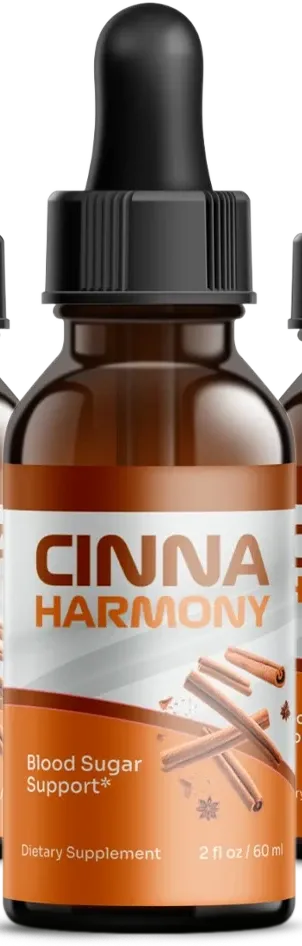
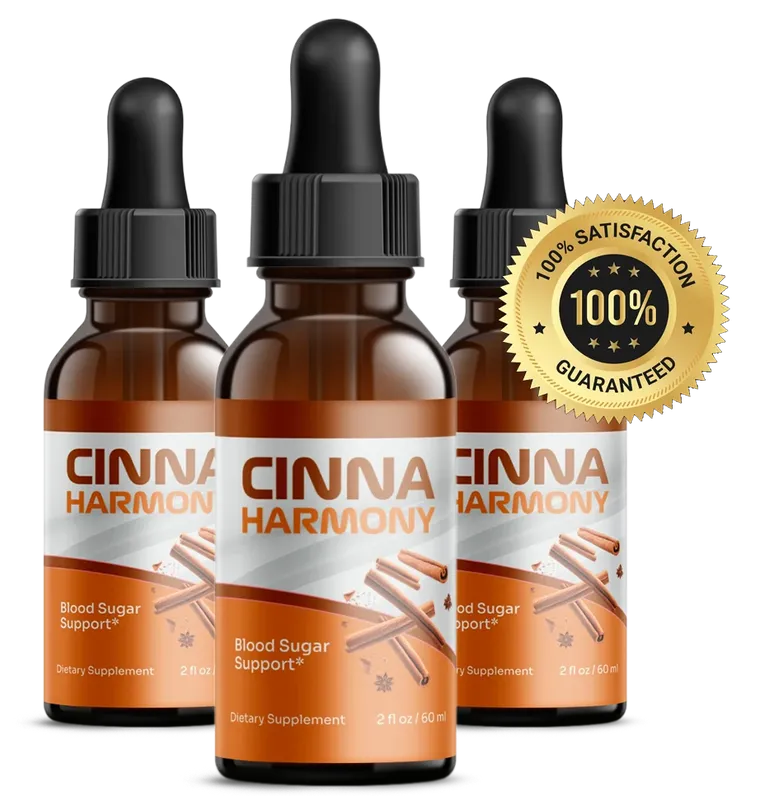
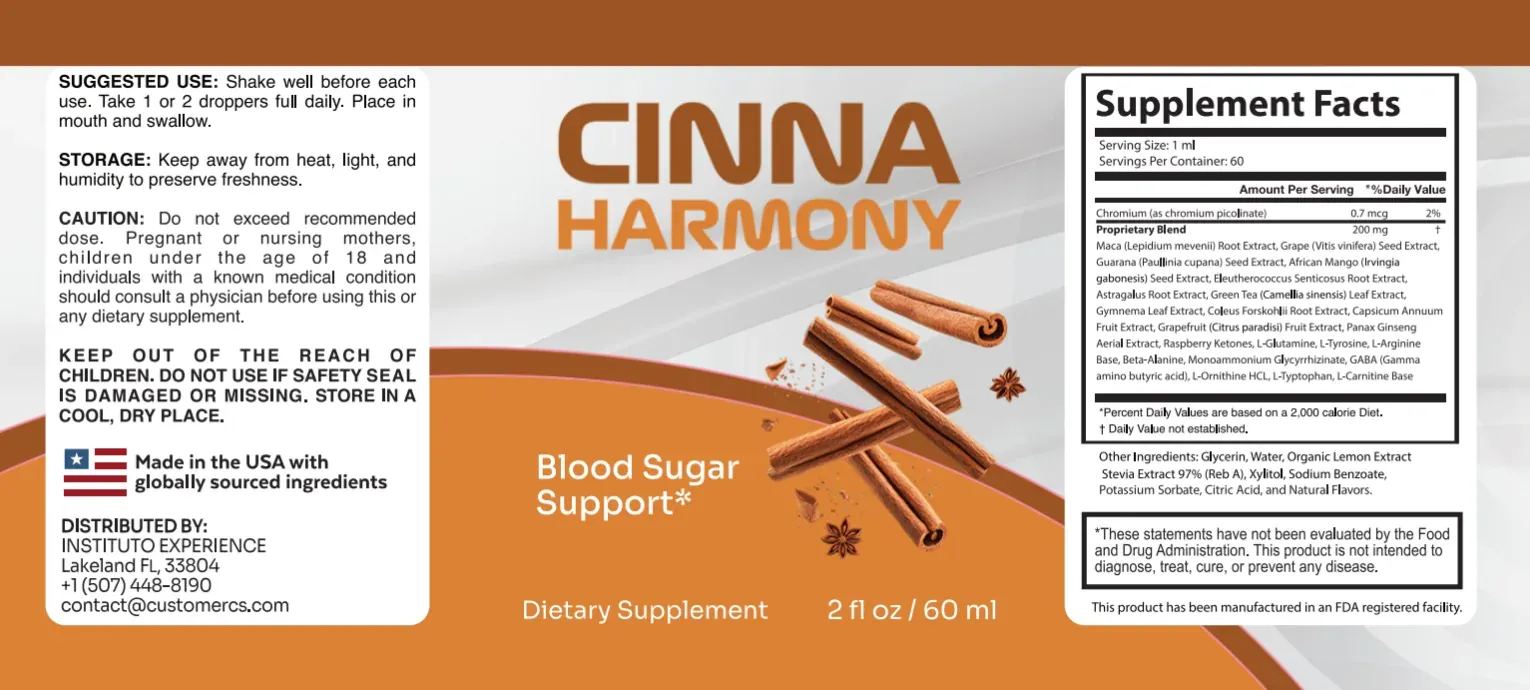
Studies used far more than most drops hold. Gymnema: 600 mg a day for 12 weeks. Chromium: about 200-1,000 mcg a day in diabetes trials. African mango: 150 mg twice a day of one branded extract. Cinna Harmony lists chromium 0.7 mcg, with gymnema and African mango inside a 200 mg blend of 22 ingredients.
What doses did gymnema, chromium and African mango studies use?
Much more than most blood sugar drops contain. Gymnema was tested at 600 mg a day, chromium at about 200 to 1,000 mcg a day, and African mango at 300 mg a day of one branded extract.
These three show up on many blood sugar labels, including Cinna Harmony. Each one is matched below with the trial that tested it.
| Ingredient | Dose in studies | Length | In Cinna Harmony (per 1 ml) |
|---|---|---|---|
| Gymnema leaf extract | 600 mg a day (300 mg twice daily) | 12 weeks | Inside the 200 mg blend; share not printed |
| Chromium picolinate | About 200-1,000 mcg a day | Months, across 25 trials | 0.7 mcg (2% DV) |
| African mango seed extract | 300 mg a day (150 mg twice daily) | 10 weeks | Inside the 200 mg blend; share not printed |
What does “studied dose” mean?
A studied dose is the exact amount, form and schedule that people took in a trial, for how long, and who they were.
A label borrows a study fairly only when those details match. A smaller amount or a different extract is a different test.
- Amount. Milligrams or micrograms per day, not per bottle.
- Form. A branded extract or a specific salt, like chromium picolinate.
- Length. Most of these trials ran 10 to 12 weeks.
- People. Adults with diabetes, metabolic syndrome or overweight.
How much gymnema did studies use, and does it lower A1C?
The clearest recent trial used 600 mg a day, split into two 300 mg capsules, for 12 weeks. It found a small drop in weight and BMI but no change in insulin sensitivity or insulin release (Zuniga et al., 2017).
The trial was small, with 24 adults who had metabolic syndrome.
LiverTox, the NIH liver injury database, lists 400 mg three times a day as a typical product dose. It says some trials found small drops in fasting blood sugar, but gymnema has not been shown to work as a diabetes treatment (LiverTox (NIDDK), 2024).
Where gymnema sits in Cinna Harmony
Gymnema is one of 22 ingredients sharing the 200 mg blend, and its share is not printed. Even a blend of pure gymnema would give one third of the daily trial dose per 1 ml serving.
How much chromium picolinate was effective in trials?
Trials in people with diabetes used about 200 to 1,000 mcg a day. A review of 25 trials found chromium lowered HbA1c by about 0.55 percentage points versus placebo (Suksomboon et al., 2014).
The authors said benefit may need more than 200 mcg a day, and that long-term safety still needs study.
Not every expert agrees it helps. A 2014 review advised that people with type 2 diabetes should not take chromium for blood sugar control (Landman et al., 2014).
Is 0.7 mcg of chromium in Cinna Harmony enough?
Not if you compare it with the research. Cinna Harmony lists 0.7 mcg per 1 ml serving, or 1.4 mcg at 2 ml a day, and that is about 1/300 to 1/1,400 of trial doses.
It is also below the adult adequate intake. NIH sets that at 20 to 35 mcg a day, depending on age and sex (NIH ODS, 2022). The 2% DV on the label tells the same story.
What dose of African mango was used, and is the evidence good?
The main trial gave 150 mg of a branded seed extract called IGOB131 before lunch and before dinner, for 10 weeks. It reported drops in weight and fasting blood sugar (Ngondi et al., 2009).
It randomized 120 people in Cameroon, and 102 finished. Other groups have not widely repeated it.
A systematic review looked at all the African mango trials it could find. There were three small trials with 208 people in total, and the reviewers called them poorly reported (Onakpoya et al., 2013). They said African mango could not be recommended for weight loss until better studies exist.
Can a 200 mg blend like Cinna Harmony hold effective doses of 22 ingredients?
No. The whole Cinna Harmony blend weighs 200 mg per ml, or 400 mg at the 2 ml daily maximum. Gymnema alone was studied at 600 mg a day, and gymnema plus African mango would need 900 mg.
Split evenly, each of the 22 ingredients would get about 9 mg per ml. That is an illustration only, since the real split is not printed.
| What you compare | Per day in studies | Most Cinna Harmony could hold at 2 ml a day |
|---|---|---|
| Gymnema | 600 mg | 400 mg, only if the blend were all gymnema |
| African mango | 300 mg | 400 mg, only if the blend were all African mango |
| Both together | 900 mg | 400 mg for the whole blend |
| Even split, per ingredient | Not studied | About 18 mg |
The blend can include these ingredients, but not all of them at studied doses. The Cinna Harmony ingredients page covers the other blend ingredients.
How do you compare a label dose with a study dose?
Line up the numbers yourself, in five steps. The method works for any supplement.
- 1
Find the amount
Read the Supplement Facts line. If the ingredient sits in a blend, write down the blend total.
- 2
Note the serving
Amounts are per serving. For Cinna Harmony, one serving is 1 ml, and the label allows 1 or 2 a day.
- 3
Find the trial
Look up the dose, extract, schedule and length that the study used.
- 4
Do the math
Divide the label amount by the study amount. A tiny fraction cannot borrow the study result.
- 5
Check the effect size
Even at full dose, ask how big the change was and in whom.
Is it safe to take gymnema and chromium with diabetes medicine?
Ask your doctor first. Chromium may add to the effect of insulin or diabetes pills, and gymnema can lower fasting blood sugar a little in some people.
If you go ahead, check your blood sugar as your care team advises.
The Cinna Harmony side effects page covers the other blend ingredients, such as guarana, green tea and the licorice compound.
What do these study doses mean for Cinna Harmony?
They mean Cinna Harmony is a low-dose, wide formula, not a high-dose gymnema, chromium or African mango product. The label claims “Blood Sugar Support*”, and no study has tested the finished drops.
The American Diabetes Association does not recommend minerals such as chromium, or herbs, for blood sugar benefits (ADA, 2026). A supplement is never a swap for your care plan.
If you still like the idea of a daily dropper routine, the Cinna Harmony pricing page shows the 2, 3 and 6 bottle packs and the 60-day money-back window. Confirm the total at checkout. For the cinnamon question, see whether there is cinnamon in Cinna Harmony.
Gymnema, chromium and African mango: common questions
Questions people type into Google and Bing, answered from the label and the sources on this page.
How much gymnema should I take for blood sugar?
No gymnema dose has been proven to treat high blood sugar. One 12-week trial used 300 mg twice a day, and LiverTox lists 400 mg three times a day as a typical product dose.
How much chromium picolinate is effective?
Diabetes trials used about 200 to 1,000 mcg a day. A 2014 review found an HbA1c drop of about 0.55 points, while other experts advise against chromium for type 2 diabetes.
What dose of African mango was used in studies?
The best-known trial used 150 mg of one branded seed extract, IGOB131, before lunch and before dinner. That is 300 mg a day for 10 weeks.
Is 0.7 mcg of chromium enough?
Not compared with the research. The 0.7 mcg in each 1 ml of Cinna Harmony is about 1/300 to 1/1,400 of trial doses, and it is below the adult adequate intake of 20 to 35 mcg a day.
Does gymnema lower A1C?
The sources we checked do not show that. LiverTox says gymnema has not been shown to work as a diabetes treatment, and a 2017 trial found no change in insulin sensitivity.
Is African mango backed by good evidence?
No. A review found only three small, poorly reported trials with 208 people in total.
Can chromium cause low blood sugar with insulin?
It may add to the effect of insulin or diabetes pills, says the NIH Office of Dietary Supplements. Anyone on those drugs should talk to their doctor and check their blood sugar.
What does “studied dose” mean?
It is the exact amount, form and schedule given to people in a trial, for a set number of weeks. A product matches a study only when all of those line up.
Can a 200 mg blend hold effective doses of 22 ingredients?
No. Gymnema alone was studied at 600 mg a day, three times the whole blend in one serving. Split evenly, each of the 22 ingredients would get about 9 mg per ml.
Is gymnema safe for your liver?
LiverTox reports rare cases of liver injury linked to gymnema. Stop and call your doctor if you feel unwell while taking it.
Is 0.7 mcg of chromium in CinnaHarmony the same as study doses?
No. Studies used about 200-1,000 mcg a day, while the Cinna Harmony label lists 0.7 mcg per serving. Compare the label dose with the study dose before drawing conclusions.
Can the Cinna Harmony 200 mg blend hold study doses of gymnema and African mango?
Not likely for all 22 ingredients, since gymnema studies used 600 mg a day and the whole blend is 200 mg. The label does not print each amount.