Cinna Harmony Blog: Plain-English Answers on Blood Sugar Drops
Written by the Cinna Harmony editorial team
Last updated · Who reviewed this page · How we write and review
The Cinna Harmony blog explains blood sugar drops in plain English. Posts cover why the label lists no cinnamon, what gymnema, chromium and African mango studies actually used, and how to spot hype and fake reviews. Each post links its sources, prints study doses and names the gaps, including where Cinna Harmony falls short.
Latest posts on the Cinna Harmony blog
The Cinna Harmony blog answers one reader question per post. Each one links the sources it uses and prints the doses that studies tested.
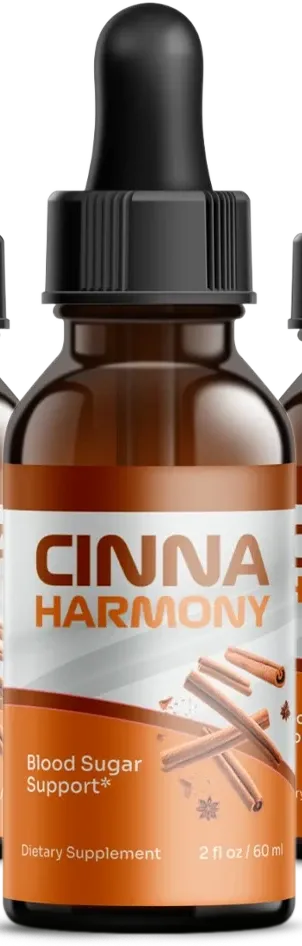
Cinna Harmony Amino Acids: The Eight Names at the End of the Label
Cinna Harmony lists eight amino acids in its 200 mg blend. See which ones, why no amount is printed and why L-arginine is the one to ask about.
Does Cinna Harmony Contain Sugar? Stevia, Xylitol and Glycerin Explained
Does Cinna Harmony contain sugar? No sugar is listed. Stevia and xylitol sweeten it, glycerin is the base, and xylitol is toxic to dogs. See all nine extras.
Cinna Harmony Weight Loss: What the Label Claims and What Studies Used
Does Cinna Harmony help with weight loss? The label makes no weight claim. See which blend ingredients are linked to weight and what studies used.
Cinna Harmony Cost Per Day: What 2, 3 and 6 Bottles Really Cost
About $0.82 to $2.63 a day before shipping: the math for 2, 3 and 6 bottles at 1 or 2 droppers a day.
Cinna Harmony Storage: How to Keep the Drops Fresh and Safe
Cool, dry, away from heat, light and humidity. What the label says, where to keep the bottle and what it leaves out.
Cinna Harmony 2 Bottles: What the Starter Pack Holds, Lasts and Costs
The smallest pack: $158, 120 servings, about 60 days at 2 droppers a day. How it compares with 3 and 6 bottles.
Cinna Harmony Ginseng: What the Panax Ginseng Aerial Extract Is and What Studies Used
Panax ginseng aerial extract in a 200 mg blend: what aerial means, what 16 trials used and who should ask first.
When to Take Cinna Harmony: The Best Time of Day for Your Droppers
The seller suggests mornings, before a meal. Why that works, how to split 2 droppers and what to do at night.
Cinna Harmony 1 Bottle: What One Bottle Holds, Lasts and Costs
60 ml and 60 servings per bottle: how long one bottle lasts, what it costs in each pack and how to check it.
Is There Cinnamon in Cinna Harmony? What Blood Sugar Drops Really Contain
Why the name and the artwork suggest cinnamon, what the Supplement Facts list instead, and what research says about cinnamon itself.
Gymnema, Chromium and African Mango: What the Studies Used
The doses people took in trials, set next to 0.7 mcg of chromium and a 200 mg blend shared by 22 ingredients.
Liquid Blood Sugar Drops: How to Spot Hype and Fake Reviews
Paid press releases, borrowed seals, celebrity stories and look-alike formulas, with checks you can use on any product.
What each Cinna Harmony blog post answers
Each post starts from one question readers ask most.
| Post | Topic | The question it answers |
|---|---|---|
| Cinna Harmony Ginseng: What the Panax Ginseng Aerial Extract Is and What Studies Used | Ingredients | What is the ginseng in Cinna Harmony, and what did studies use? |
| When to Take Cinna Harmony: The Best Time of Day for Your Droppers | How to use | What time of day should you take Cinna Harmony? |
| Cinna Harmony 1 Bottle: What One Bottle Holds, Lasts and Costs | Buying | What does one bottle hold, how long does it last and what does it cost? |
| Is There Cinnamon in Cinna Harmony? What Blood Sugar Drops Really Contain | The label | Why is it called Cinna Harmony if the label lists no cinnamon? |
| Gymnema, Chromium and African Mango: What the Studies Used | Ingredients | Can a 200 mg blend hold doses like the ones in studies? |
| Liquid Blood Sugar Drops: How to Spot Hype and Fake Reviews | Buying safely | How do you tell a real review from a paid ad? |
How is the Cinna Harmony blog written?
The Cinna Harmony editorial team writes every post by the same five rules, whether the answer helps Cinna Harmony or not.
- Sources are linked. Each research claim points to an NIH, NCCIH, FDA or journal page.
- Doses are printed. A finding only helps you when you know how much people took.
- Gaps are named. When a label hides an amount, the post says “not published.”
- No disease claims. A supplement is not a diabetes medicine, and the posts never treat it as one.
- Plain words. Short sentences, everyday terms and no hype.
Each post carries a medical-review slot. It stays open until a named, qualified person checks the post. Read about our medical reviewer.
Where should you start on the Cinna Harmony blog?
Start with the label, then the doses, then the marketing. That order lets you judge the sales copy after you know the facts.
- 1
Read the label post
Begin with Is there cinnamon in Cinna Harmony? to see what the bottle really lists.
- 2
Check the study doses
Then read what gymnema, chromium and African mango studies used.
- 3
Learn the red flags
Finish with how to spot hype and fake reviews before you buy any drops.
For the bigger picture, the blood sugar guide covers the basics, and every label line is on the ingredients page.
Cinna Harmony blog: common questions
Questions people type into Google and Bing, answered from the label and the sources on this page.
How often does the Cinna Harmony blog publish?
There is no fixed schedule. A new post goes up when readers keep asking a question that solid sources can answer.
Are Cinna Harmony blog posts medical advice?
No. They explain labels and published research in plain English. Questions about your own health, medicines or blood sugar numbers belong with your doctor.
Do the blog posts only say good things about Cinna Harmony?
No. The posts also show where Cinna Harmony falls short, such as the missing cinnamon and chromium far below trial doses.
Who checks the Cinna Harmony blog for medical accuracy?
Each post has a medical-review slot. It stays a highlighted fill-in slot until a named, qualified reviewer has actually read the post.
Where do the facts in the blog posts come from?
Product facts come from the Cinna Harmony bottle label and the seller’s terms. Research facts come from NIH, NCCIH, FDA, FTC and peer-reviewed journal pages, each linked in the text.
Is the Cinna Harmony blog sponsored?
The site, blog included, is published by the U.S. stocking partner for Cinna Harmony. We earn money when you order, and the posts say so.
Can I suggest a blog topic?
Yes. Email your question to [email protected]. A clear reader question often turns into the next post.
How do I report a mistake in a blog post?
Email [email protected] with the post title and the line you think is wrong. If a source proves it, we fix the post.