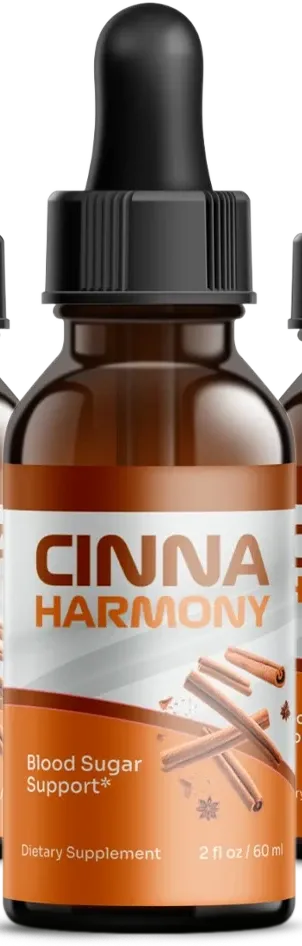
Blood Sugar Guide: Normal Levels, A1C, Prediabetes and Habits

Written by the Cinna Harmony editorial team
Last updated · Who reviewed this page · How we write and review
Normal blood sugar depends on the test, so read each result against the range on your lab report. A1C shows your average over a few months, while fasting sugar shows one morning. Prediabetes is common and silent, so ask about testing if you have risk factors. Meals, movement and sleep matter most; the ADA does not recommend supplements for blood sugar.
What is blood sugar, and what counts as normal?
Blood sugar, or glucose, is the main sugar carried in your blood. It comes from the food you eat, and it is the body's main fuel.
Insulin, a hormone made by the pancreas, moves sugar out of the blood and into your cells. When that system works well, blood sugar rises after meals and falls back within a few hours.
“Normal” depends on the test and on when you last ate. Your lab report prints a reference range next to each result. Your doctor reads your number against that range, your age and your health history.
| Test | What it measures | How it is done |
|---|---|---|
| Fasting blood sugar | Sugar in your blood after a night without food | Blood draw in the morning, before eating |
| A1C | Your average blood sugar over the past few months | Blood draw at any time of day; no fasting |
| After-meal or random test | Sugar in your blood at a given moment | Blood draw or finger stick, any time |
| Home meter | A single reading from a drop of blood | Finger stick, as your care team advises |
| Continuous glucose monitor | Readings every few minutes, day and night | A small sensor worn on the skin |
A1C vs fasting blood sugar: what each number tells you
A1C shows the long view, while fasting blood sugar shows one morning. That is why doctors often order both.
A1C measures how much sugar has stuck to your red blood cells. Those cells live for a few months, so the test reflects that whole stretch.
A fasting test can swing with a late meal, poor sleep or stress the day before. A1C moves slowly, so one rough week barely changes it.
What is insulin resistance?
Insulin resistance means your cells stop responding well to insulin. The pancreas then makes extra insulin to keep blood sugar in range.
For a while, that extra effort works. Over years, the pancreas may not keep up, and blood sugar starts to rise.
Insulin resistance usually has no symptoms. It is more common with extra weight around the waist, little activity and a family history of type 2 diabetes.
What is prediabetes, and can it be reversed?
Prediabetes means blood sugar is above the normal range but below the diabetes range. For many people, habit changes can bring the numbers back toward normal.
Most people who have it do not know, because it rarely causes symptoms. A blood test is the only way to find out, so ask your doctor about one if any risk factor below fits you.
Family history
A parent, brother or sister with type 2 diabetes raises your risk.
Extra weight
Weight stored around the waist is linked to insulin resistance.
Little activity
Muscles that rarely work use less blood sugar.
High blood pressure
It often travels with blood sugar problems.
Diabetes in pregnancy
Past gestational diabetes raises later risk.
Age
Risk climbs as the years go by.
Signs of high and low blood sugar
High blood sugar often shows up as thirst, frequent peeing and tiredness, while low blood sugar shows up as shakiness, sweating and confusion. Many people with high blood sugar feel nothing, so a lack of symptoms proves little.
Low blood sugar is mainly a risk for people who take insulin or certain diabetes pills. It can come on fast and needs quick action.
| High blood sugar | Low blood sugar | |
|---|---|---|
| Common signs | Strong thirst, peeing more, tiredness, blurry vision | Shakiness, sweating, fast heartbeat, sudden hunger |
| Later signs | Slow-healing cuts, frequent infections, weight loss without trying | Confusion, irritability, dizziness, trouble speaking |
| Who is most at risk | People with undiagnosed or poorly controlled diabetes | People on insulin or some diabetes pills |
| What to do | Book a doctor visit and ask for a blood test | Follow your care team's plan; get help if confused or faint |
Daily blood sugar habits from the Cinna Harmony guide
The habits with the strongest support are plain ones: balanced meals, regular movement, steady sleep and a handle on stress. None needs special food or equipment.
These five steps turn the habits into one ordinary day. Times are habit ideas, not medical rules.
- 1
Morning light and water
Open the curtains or step outside, and start with a glass of water instead of a sweet drink.
- 2
Protein and fiber at meals
Fill half the plate with vegetables, add protein, and choose oats, beans or whole grains over white flour.
- 3
Walk after eating
Ten easy minutes on foot after your largest meal helps muscles use the sugar from it.
- 4
Give stress an outlet
A short walk, slow breathing or a call with a friend. Stress hormones release stored sugar.
- 5
Same bedtime
Short or broken sleep often leaves people hungrier and less steady the next day.
Alcohol deserves a note. For people on insulin or some diabetes pills, drinking can push blood sugar too low, sometimes hours later. Ask your doctor what limit is safe for you.
How often should you check your blood sugar?
How often you test depends on whether you have diabetes and which medicines you take. Your doctor or care team sets the plan.
Adults without diabetes are usually tested during checkups, more often when risk factors pile up. People with prediabetes often get a repeat test at a set interval.
People who take insulin usually check at home, with a meter or a continuous glucose monitor.
When to see a doctor about blood sugar
See a doctor soon if you notice signs of high blood sugar or have several risk factors. A quick blood test gives you an answer instead of a guess.
Get emergency help for confusion, fainting, seizures or trouble staying awake, especially if you take insulin.
Where blood sugar supplements like Cinna Harmony fit
Supplements are a small extra at most, never the base of blood sugar care. The American Diabetes Association does not recommend vitamins, minerals such as chromium, or herbs such as cinnamon for blood sugar benefits (ADA, 2026).
NCCIH adds that most supplements lack proof for diabetes and should never replace treatment (NCCIH, 2018).
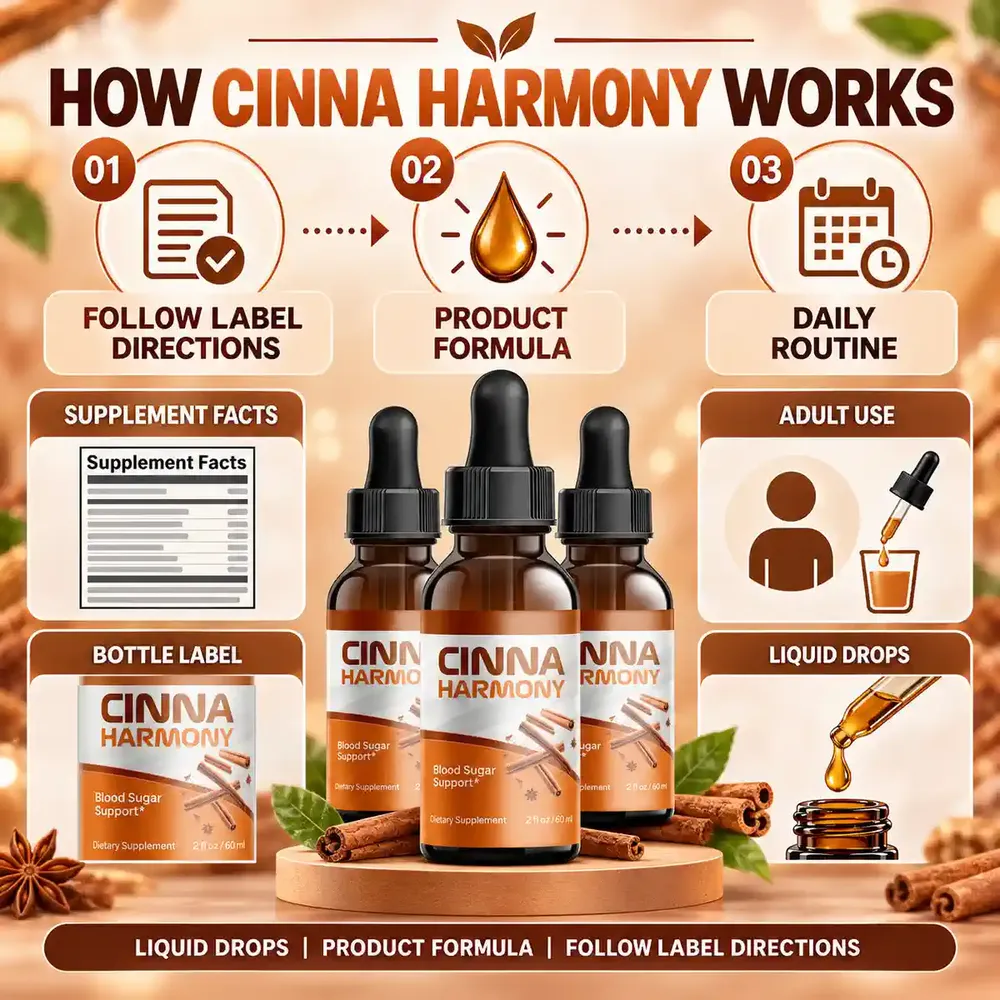
Cinna Harmony is labeled “Blood Sugar Support.” It holds 0.7 mcg of chromium, while diabetes trials used about 200-1,000 mcg a day (NIH ODS, 2022). A 200 mg blend splits among 22 other ingredients.
Panax ginseng, one of them, lowered fasting blood sugar a little in trials but did not change A1C (Shishtar et al., 2014). Despite the name, cinnamon is not on the label. The buyer’s checklist shows how to judge any label.
Read the Cinna Harmony ingredients page for each blend ingredient, or the who it is for page before you decide.
A 12-week blood sugar habit plan from the Cinna Harmony guide
Habits stick best when you add them one at a time. This plan sets a habit goal for each stage, not a number to hit.
- Weeks 1-2
Get a baseline
Ask your doctor about a fasting test or an A1C, and write down your result and the lab's range.
- Weeks 3-4
Fix the plate and drinks
Add protein and vegetables to breakfast, and swap sweet drinks for water or plain tea.
- Weeks 5-8
Move after meals
Walk after your largest meal and add two short strength sessions a week.
- Weeks 9-12
Sleep and stress
Hold a steady bedtime and build in a daily stress break.
- After week 12
Check in
Ask your doctor whether a repeat test makes sense and what to change next.
Blood sugar: common questions
Questions people type into Google and Bing, answered from the label and the sources on this page.
What is a normal blood sugar level?
Normal depends on the test and on when you last ate. Every lab report prints its own reference range beside your result, and your doctor reads the number against that range and your health history.
What is the difference between A1C and fasting blood sugar?
Fasting blood sugar is a snapshot after a night without food. A1C reflects your average blood sugar over the past few months, so one late snack does not move it much.
What are early signs of high blood sugar?
Common early signs are strong thirst, peeing more often, tiredness and blurry vision. Many people with high blood sugar feel nothing at all, which is why testing matters.
What is prediabetes?
Prediabetes means blood sugar is higher than normal but not high enough to be called diabetes. It often has no symptoms, and only a blood test can show it.
What lowers blood sugar naturally?
Daily habits help keep blood sugar in a healthy range: meals built on protein and fiber, a walk after eating, steady sleep and less sugary drink. Your doctor can tell you which change matters most for you.
What is insulin resistance?
It means your cells respond less to insulin, so the body has to make more to move sugar out of the blood. Over time, blood sugar can creep up.
How often should I check my blood sugar?
It depends on your situation. People without diabetes are usually tested at checkups, while people on insulin follow a home testing plan set by their care team.
What are signs of low blood sugar?
Shakiness, sweating, a fast heartbeat, sudden hunger, dizziness and confusion are common signs. Lows are mainly a risk for people who take insulin or certain diabetes pills.
Can diet and exercise reverse prediabetes?
For many people, habit changes bring blood sugar back toward the normal range. Regular follow-up tests show whether the changes are working.
When should I see a doctor about blood sugar?
Book a visit if you have signs of high blood sugar, risk factors such as a family history of diabetes, or home readings that worry you. Confusion or fainting needs emergency help.