Cinna Harmony Weight Loss: What the Label Claims and What Studies Used
Written by the Cinna Harmony editorial team · Medically reviewed by Dr. Andrea Hayes, MD, Physician
Last updated · Who reviewed this page · How we write and review
The Cinna Harmony label says Blood Sugar Support and makes no weight-loss claim. Some blend ingredients, such as African mango and raspberry ketones, are sold for weight, but their research is weak and no study has tested these drops. The whole blend is 200 mg per 1 ml, far below single-ingredient study doses.
Does Cinna Harmony claim weight loss?
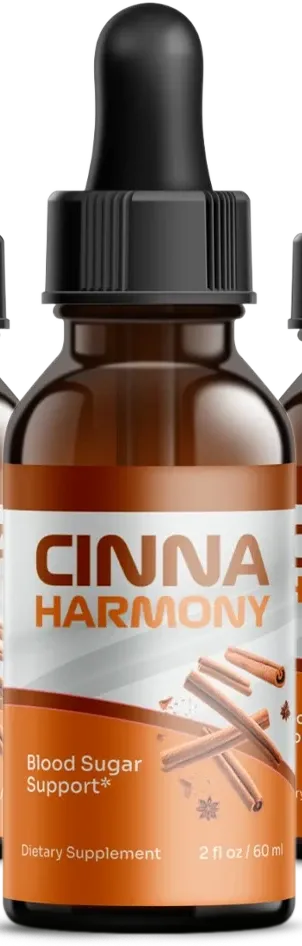
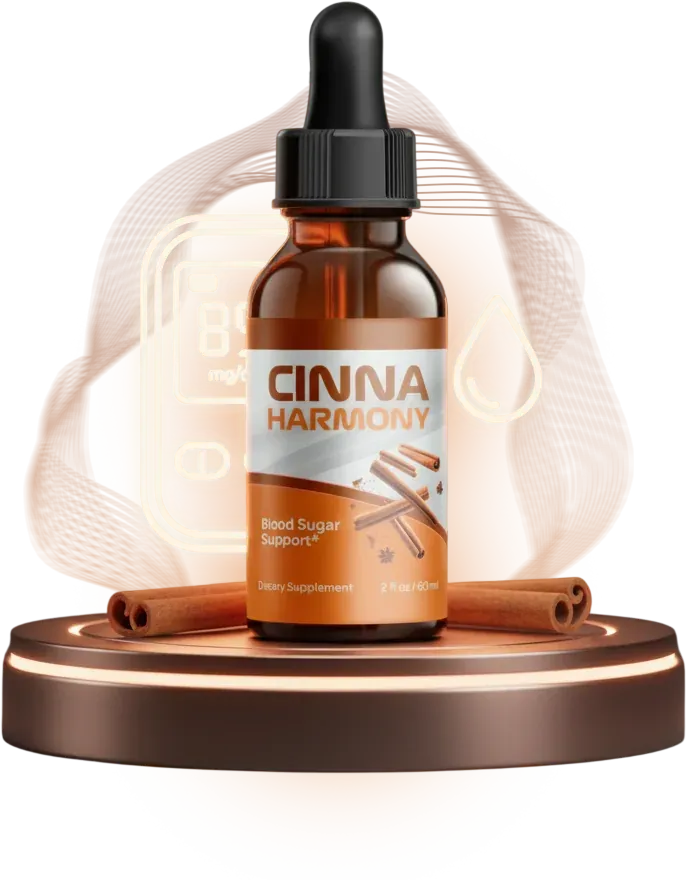
No. The front of the label says Blood Sugar Support, and our benefits page notes that the product makes no weight-loss claim. We do not make one either.
People still search for "cinna harmony weight loss" because several names in the blend are sold for weight elsewhere. This post sorts those names by what the label and the cited research show, so you can judge for yourself.
Which blend ingredients are linked to weight?
| Ingredient | What our sources say |
|---|---|
| African mango seed extract | One trial used 150 mg of a branded extract twice a day for 10 weeks. Reviews rated the trials poor |
| Raspberry ketones | Sold for weight loss, with no evidence that it is safe or effective for that |
| Coleus forskohlii, capsicum, grapefruit | Little or no proof of weight change |
| Green tea leaf extract | Weight trials used 141 to 1,207 mg of catechins |
The label does not print an amount for any of these. They share a 200 mg blend with 16 other names.
Are the amounts in Cinna Harmony close to the studies?
Mostly no. If the blend were split evenly, each of the 22 names would get about 9 mg per 1 ml, though the real split is not printed. The studies above used far more: the African mango trial used 300 mg a day, and the green tea weight trials used 141 to 1,207 mg of catechins.
One study dose of a single ingredient can be larger than the whole 200 mg blend. That is why we say no study has tested the finished Cinna Harmony drops, and why the research here cannot be read as a promise. The study doses post puts the numbers side by side.
What cautions apply to the ingredients linked to weight?
Guarana and green tea both add caffeine, and the amount is not printed. Too much caffeine can cause a fast heartbeat, shakiness and poor sleep. Concentrated green tea extract is also a rare cause of liver injury. If you notice dark urine or yellow skin, stop and call a doctor.
The licorice compound in the blend can raise blood pressure in larger amounts, so people with high blood pressure, or heart or kidney disease, should ask first. Our caffeine post and the side effects page cover each one.
What is a fair way to think about Cinna Harmony and weight?
Think of Cinna Harmony as a blood sugar support product, which is what the label calls it, and not as a weight tool. Weight depends on food, movement, sleep and your own health picture. A drop in a bottle does not change that, and no study says it does.
If weight is your goal, a clinician can set a plan around your medicines and your numbers. If you still want to try the drops, the pricing page shows the packs, and every pack carries a 60-day money-back window from purchase.
Frequently asked questions
Short answers on weight loss.
Will Cinna Harmony help me lose weight?
The label does not claim weight loss, and no trial of Cinna Harmony exists. African mango and raspberry ketones in the blend are sold for weight, but the research is weak and the amounts in the drops are not printed.
Does Cinna Harmony contain raspberry ketones?
Yes. Raspberry ketones are one of the 22 names in the 200 mg blend. The label does not say why, and our sources find no evidence that raspberry ketones are safe or effective for weight loss.
Does the caffeine in Cinna Harmony affect weight?
Guarana and green tea add caffeine, but the label prints no amount. We have no evidence that the caffeine in these drops changes weight, and too much caffeine can cause jitters, a fast heartbeat and poor sleep.